Source din grey pvc pipe fitting for Water Supply Systems
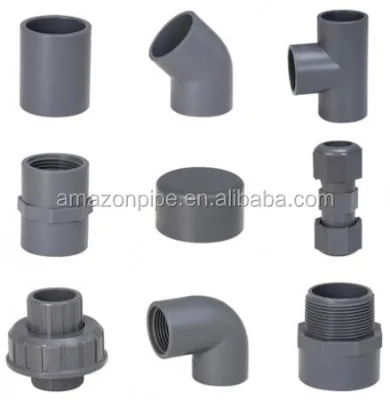
Compare 30 din grey pvc pipe fitting options from Chinese manufacturers. These plastic components, available in sizes from 20mm to 63mm, are designed for water supply applications with PN16 pressure ratings and various connection types; compare the available evidence and request quotations based on your requirements.
Key considerations
Products List




Comprehensive Sourcing Guide
din grey pvc pipe fitting Sourcing Guide
Procuring DIN grey PVC pipe fittings requires careful attention to material consistency and manufacturing techniques, as the market offers distinct variations in production methods. Buyers must distinguish between items produced via casting and those utilizing forging processes, as these techniques significantly impact the structural integrity and pressure ratings of the final component. The observed listings indicate a prevalence of PVC and plastic materials, often sourced from Huangyan, China, which is a known hub for such manufacturing.
When evaluating potential suppliers, it is essential to verify the specific application environment, such as supply water systems, to ensure the fitting's design matches operational needs. The market data suggests a wide range of customization options, including specific model numbers like Bn04 and C04, alongside standard sizes ranging from 20mm to 63mm. Understanding these variations helps buyers select the correct eccentric or equal fittings that meet their specific pressure requirements, typically rated at Pn16 for standard applications.
Product Scope and Observed Listing Signals
The observed product listings reveal a diverse range of specifications, including wall thickness standards like Sch40 and various connection types such as female threads. Buyers should note that while some products are described as having a round head code and 90-degree angles, others may feature different geometries depending on the specific model number and intended use. The color palette generally includes grey or white, with options for customized colors available upon request, reflecting the flexibility of the manufacturing base in Taizhou, Zhejiang.
Commercial signals in the market indicate a competitive pricing structure, though the observed range spans from $0.01 to $136.89, necessitating a clear definition of quality expectations before negotiation. Minimum order quantities vary significantly, ranging from as low as 5 cartons to as high as 12,000 units, which directly influences the procurement strategy for small versus large-scale projects. Packaging is typically done in bags or cartons, with some suppliers offering customized packing solutions to protect the fittings during transit to major markets like Africa and South America.
Technical Specifications to Verify
Technical verification must begin with the material composition, specifically confirming whether the product is standard PVC or a blend involving CPVC, as this determines the maximum working temperature range. The observed data suggests a working temperature capability between -20 and 65 degrees Celsius, but buyers should request specific test data to confirm this limit for their specific climate conditions. Additionally, the tensile strength is observed to fall between 41 and 50 MPa, a critical metric for ensuring the fittings can withstand internal pressure without deformation or failure.
Dimensional accuracy is another vital area of verification, with standard sizes observed from 1/2 inch to 4 inches and metric equivalents from 20mm to 63mm. Buyers must cross-reference the listed standard, such as NBR5648 or BS4346, against their project requirements to ensure compatibility with existing piping systems. The contraction percentage, observed between 2.0% and 5.0%, and water absorption rates below 0.01% are key physical properties that affect long-term performance and should be validated through supplier-provided technical sheets.
Compliance and Safety Documentation
Compliance documentation is a prerequisite for any serious procurement, with ISO9001 certification appearing as a standard quality assurance marker in the observed listings. Buyers should explicitly request current certificates to verify that the manufacturing facility maintains these standards, as this ensures consistent quality control throughout the production process. While some listings mention BS certification, it is crucial to confirm the specific version of the standard, such as BS4346, to ensure the fittings meet the regulatory requirements of the destination market.
Safety and environmental compliance also require attention, particularly regarding the chemical composition of the plastic used in the fittings. Although some background information mentions Reach compliance, buyers should not assume this status without direct verification from the supplier. It is advisable to request material safety data sheets (MSDS) and specific test reports that confirm the absence of harmful substances, ensuring the fittings are safe for use in potable water supply systems and do not leach contaminants into the fluid.
Cost Drivers and Commercial Terms
Cost drivers in this sector are heavily influenced by the raw material prices of PVC and CPVC, as well as the complexity of the manufacturing technique, whether casting or forging. The observed competitive pricing suggests that volume plays a significant role in the final unit cost, with larger orders likely securing better rates. Buyers should also factor in the logistics costs associated with shipping from Huangyan, China, to their destination, as the delivery time of 20 to 45 days after deposit can impact inventory planning and cash flow.
Commercial terms typically include payment methods such as T/T or L/C, which offer different levels of security for both the buyer and the supplier. The minimum order quantity of 5 cartons serves as a baseline for entry, but larger projects may require negotiating higher volumes to achieve optimal pricing. It is essential to clarify the delivery timeline, which can range from 30 days to 45 days, and to include penalties for delays in the contract to mitigate the risk of project stagnation due to supply chain bottlenecks.
Supplier Qualification and Quality Control
Supplier qualification should focus on verifying the origin of the goods, with Huangyan, Taizhou, and Zhejiang being the primary production hubs observed in the market. Buyers must ensure that the supplier has a proven track record of exporting to their target regions, such as Africa or South America, as this indicates experience with international logistics and regulatory compliance. The presence of a specific brand name, such as Sam-UK, may suggest a level of established market presence, but due diligence is still required to confirm the manufacturer's actual capabilities.
Quality control processes must be robust, with a focus on inspecting the physical properties like tensile strength and water absorption before shipment. Buyers should implement a pre-shipment inspection protocol to verify that the fittings match the agreed-upon specifications, including size, color, and connection type. Given the variation in observed standards and model numbers, it is critical to have a clear acceptance criteria document that defines the acceptable tolerance levels for dimensions and material properties to prevent receiving substandard goods.
Long-Term Procurement Checks
Long-term procurement success depends on establishing a reliable supply chain that can consistently meet demand without compromising on quality or delivery timelines. Buyers should conduct periodic audits of their suppliers to ensure that the manufacturing processes remain consistent and that the ISO9001 certification remains valid. Regular communication regarding market trends and material availability will help anticipate potential disruptions and allow for proactive adjustments to the procurement strategy.
Performance monitoring should include tracking the actual performance of the fittings in the field, specifically looking for signs of degradation or failure that might indicate a deviation from the specified standards. Maintaining a relationship with the supplier that allows for feedback on product performance can lead to continuous improvement and better alignment with the buyer's evolving needs. By keeping a close watch on the delivery times and the consistency of the product specifications, buyers can ensure a stable and efficient supply of DIN grey PVC pipe fittings for their projects.
FAQs
What materials are used for these grey PVC pipe fittings?
The fittings are manufactured from high-quality PVC and plastic materials, ensuring durability and resistance to corrosion. Some variants also incorporate CPVC for enhanced thermal stability. These thermoplastic pipes are designed for reliable performance in supply water applications, providing a robust solution for various plumbing and industrial piping systems.
Can these fittings be customized for specific project requirements?
Yes, customization is available for these eccentric and equal angle fittings. Buyers can request specific colors like grey or white, and tailor dimensions within the 20mm to 63mm range. The manufacturer supports customized packaging and model specifications, allowing for flexible procurement options that align precisely with unique engineering and installation needs.
What certifications do these PVC fittings hold?
These fittings are certified under ISO9001 for quality management and comply with BS4346 standards. This ensures consistent manufacturing quality and adherence to international benchmarks. The certifications verify the product's reliability for supply water systems, giving buyers confidence in the structural integrity and safety of the grey PVC components for their infrastructure projects.
What is the typical delivery time for orders?
The standard delivery time ranges from 20 to 45 days after receiving the deposit. For certain orders, delivery may take approximately 30 days. This timeline allows for efficient production and logistics planning. Buyers should account for this lead time when scheduling their supply chain operations to ensure timely project completion and installation.
What are the main markets for these fittings?
The primary markets for these grey PVC pipe fittings include Africa and South America. These regions have significant demand for durable plumbing solutions. The manufacturer targets these areas with competitive pricing and reliable supply chains, ensuring that buyers in these markets receive high-quality products that meet local infrastructure and construction requirements effectively.
What is the minimum order quantity for these fittings?
The minimum order quantity varies, typically starting from 5 cartons or 5 pieces depending on the specific product line. Some bulk orders may require up to 12,000 units. This flexible MOQ structure accommodates both small-scale projects and large industrial procurements, allowing buyers to order quantities that best suit their budget and inventory needs.